

Artificial Muscle Technology
Creating intelligent motion with electrically responsive liquid crystalline elastomers (LCEs).
We have developed proof-of-concept electrically responsive artificial muscles based on liquid crystalline elastomers (LCEs), demonstrating the potential for lightweight, compliant and controllable actuation.
Our focus is now on advancing this technology beyond the laboratory through scalable manufacturing, improved performance and real-world product development across smart wearables, healthcare, human performance, assistive technologies and next-generation robotics and humanoids.
We are actively seeking strategic collaborations, research partnerships and investment opportunities to accelerate the development and commercialisation of our artificial muscle technology.


ELECTRICALLY RESPONSIVE LCE LIFTING WEIGHT
ELECTRICALLY RESPONSIVE LCE-POWERED MINIATURE ARM
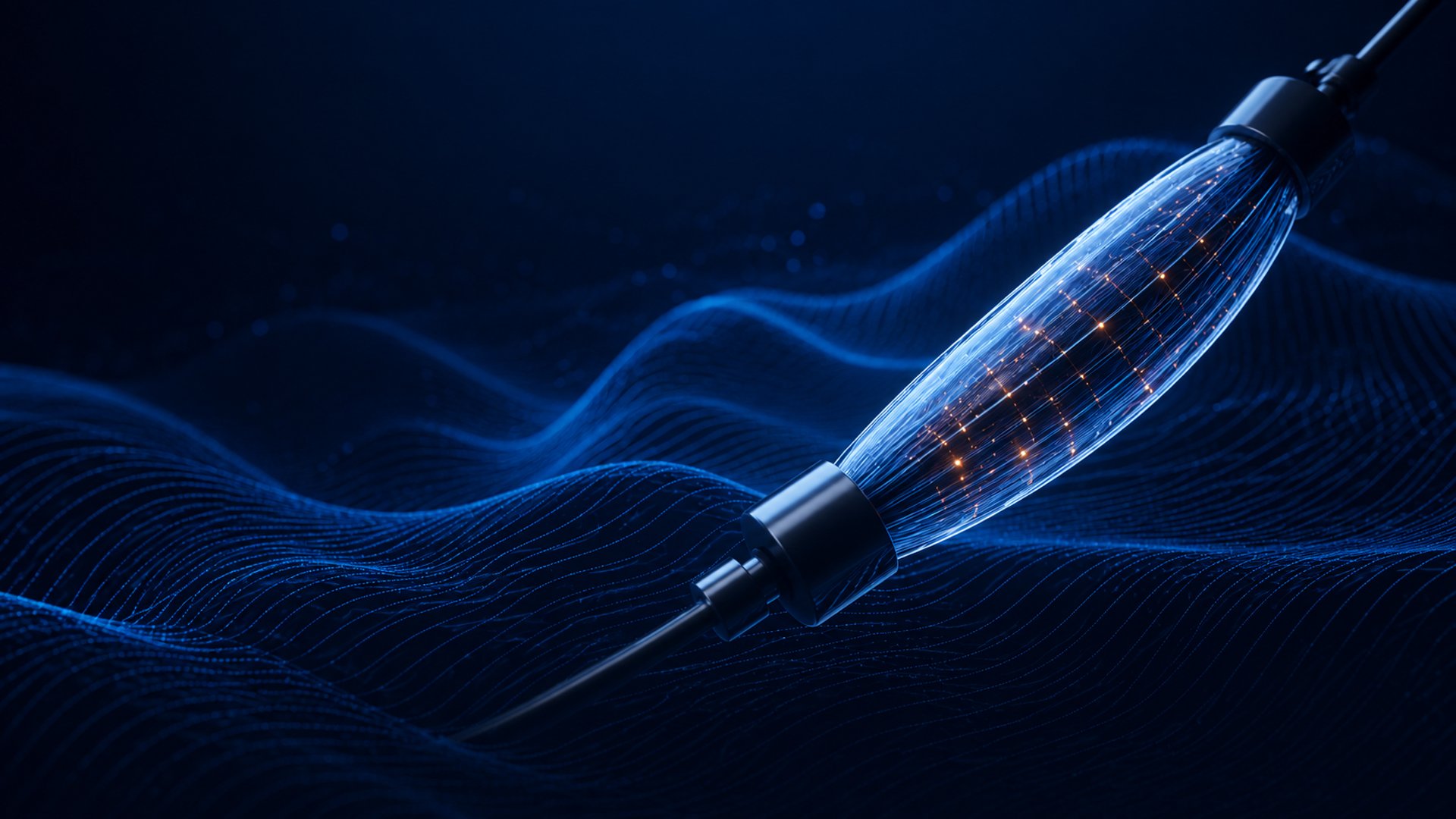
ELECTRICALLY RESPONSIVE LCE FIBER
OUR MISSION
Revolutionizing motion through lightweight, responsive and intelligent artificial muscle technology
About Us
Poly-Motion is an Australian deep technology startup developing advanced artificial muscle technologies based on liquid crystalline elastomers (LCEs), with a vision to redefine how movement is created.
Founded and led by Dr. Joshua Ince, Poly-Motion emerged from more than half a decade of research into electrically responsive smart materials during his PhD journey. The company was established to translate breakthrough artificial muscle technology from the laboratory into real-world applications.
Our multidisciplinary team brings together expertise in advanced materials science, biomimetic engineering, robotics, scalable manufacturing, product development, commercialisation, strategic partnerships, and innovation leadership.
Today, Poly-Motion is advancing its artificial muscle platform across smart wearables, healthcare, human performance, assistive technologies, and next-generation robotics and humanoids.
Engineering the future of human-like motion
Publications
The science behind Poly-Motion began with years of research into responsive smart materials and artificial muscles.
Explore the publications below